5 Essential Cybersecurity Practices Every Business Should Follow

João Paulo Zangrande Marçal
FullStack DeveloperLearn five essential cybersecurity practices that protect your business from threats and safeguard sensitive data.
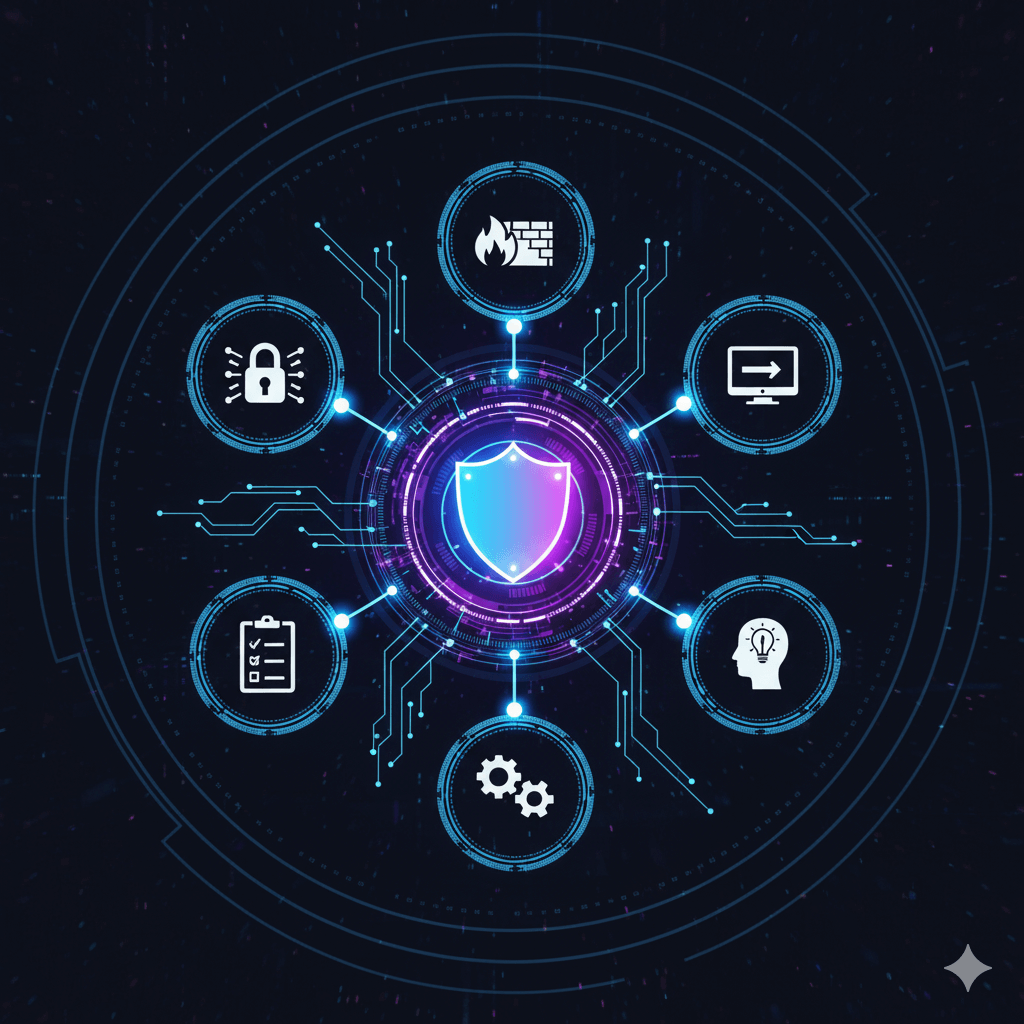
Cyberattacks are becoming more sophisticated, targeting businesses of all sizes. A single breach can result in financial loss, reputational damage, and loss of customer trust. That’s why implementing essential cybersecurity practices is no longer optional — it’s a necessity. Here are five steps every business should follow:
-
1. Use Strong Password Policies
Require employees to use complex passwords with a mix of letters, numbers, and symbols. Implement multi-factor authentication (MFA) to add an extra layer of protection.
-
2. Keep Software Updated
Outdated systems are prime targets for hackers. Regularly update operating systems, applications, and plugins to patch known vulnerabilities.
-
3. Educate Employees on Security Awareness
Human error is one of the biggest risks in cybersecurity. Provide regular training on phishing emails, safe browsing, and how to handle sensitive data securely.
-
4. Secure Your Networks
Use firewalls, VPNs, and encryption to secure data in transit. Segment networks to limit access and monitor suspicious traffic with intrusion detection systems.
-
5. Regular Backups and Incident Response
Back up critical data frequently and store it securely (preferably off-site or in the cloud). Create an incident response plan to act quickly in case of a breach.
🔒 Cybersecurity is an ongoing effort. By implementing these practices, your business reduces risks and builds customer trust in a digital-first world.