The Clean Code Handbook: 5 Principles for Writing Better Software

João Paulo Zangrande Marçal
FullStack DeveloperLearn the five core principles of Clean Code, including meaningful naming, short functions, the DRY principle, and self-documenting code, to write more maintainable software.
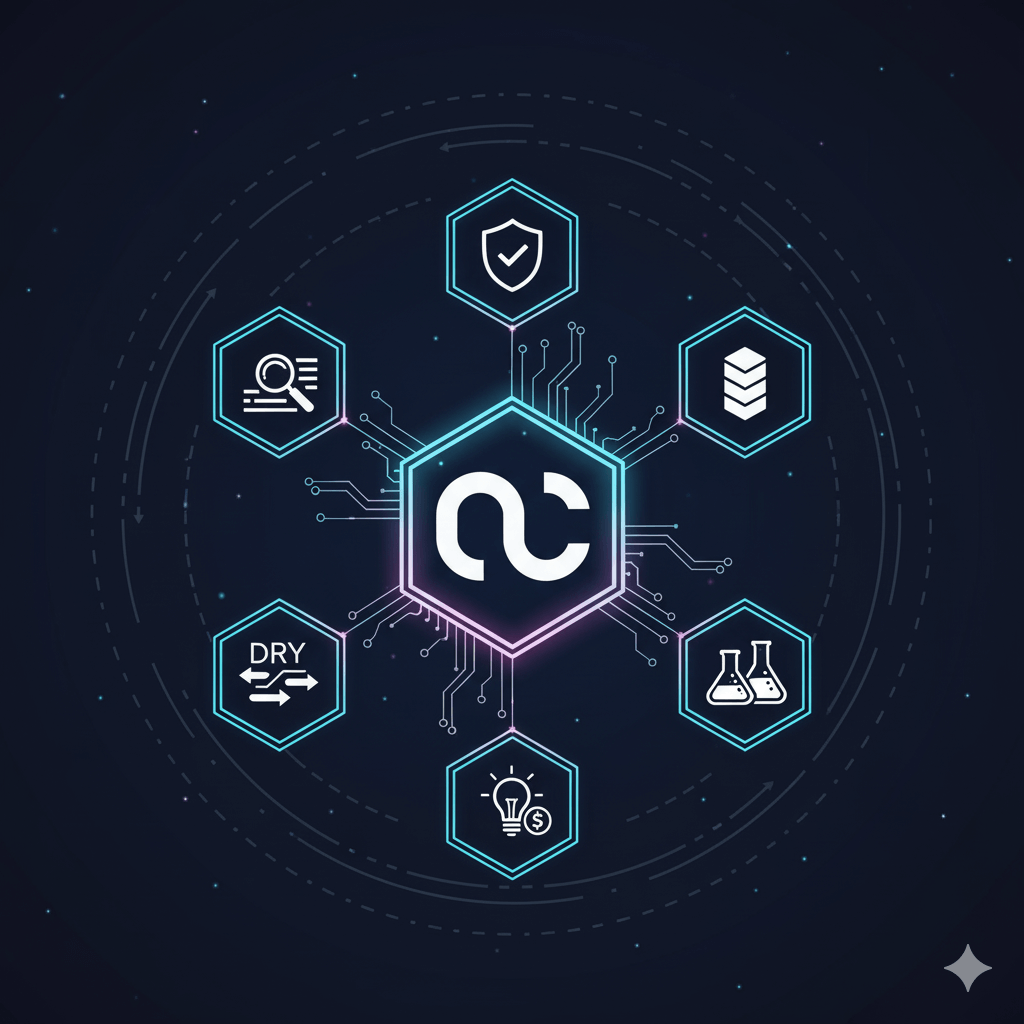
In software development, code is read far more often than it is written. Writing code that is clear, understandable, and easily maintainable is not just a matter of style—it’s a crucial practice for long-term project health. Dirty code leads to bugs, slow development cycles, and high technical debt. Here are five core principles from the Clean Code philosophy that every developer should adopt:
-
1. Use Meaningful Naming Conventions
Variables, functions, and classes should immediately convey their purpose and intent. Avoid single-letter names (like 'a' or 'i') and redundant words (like 'Data' or 'Info'). Names should answer the big questions: *Why* does it exist, *what* does it do, and *how* is it used?
-
2. Write Short Functions (Do One Thing)
Functions should be small—ideally, no more than 20 lines—and they must do one single thing, and do it well. If a function can be reasonably divided into two sub-functions, it should be. This enhances readability, testability, and reduces complexity.
-
3. Avoid Deeply Nested Conditionals
Excessive nesting (deeply indented `if/else` blocks or loops) makes code difficult to follow and debug. Use techniques like **Guard Clauses** (checking for failure conditions early and returning) to flatten your code structure and keep the flow straightforward.
-
4. Don't Repeat Yourself (DRY Principle)
The DRY principle states that every piece of knowledge must have a single, unambiguous, authoritative representation within a system. Duplicating logic increases the risk of inconsistencies and makes future changes risky, as you might forget to update all instances.
-
5. Write Self-Documenting Code Over Excessive Comments
The best code is its own documentation. Instead of writing comments to explain confusing logic, refactor the logic until it is clear. Use comments sparingly, primarily for legal information, warnings about consequences, or explaining *why* a decision was made, not *what* the code does.
✨ Clean code is a habit, not a one-time effort. By applying these principles, you transform your code from a liability into a valuable asset.