The Ultimate Guide to Securing Remote Work: 5 Key Strategies

João Paulo Zangrande Marçal
FullStack DeveloperLearn five critical strategies for securing your remote workforce, including implementing MFA, securing endpoints, adopting Zero Trust, and ensuring continuous employee training.
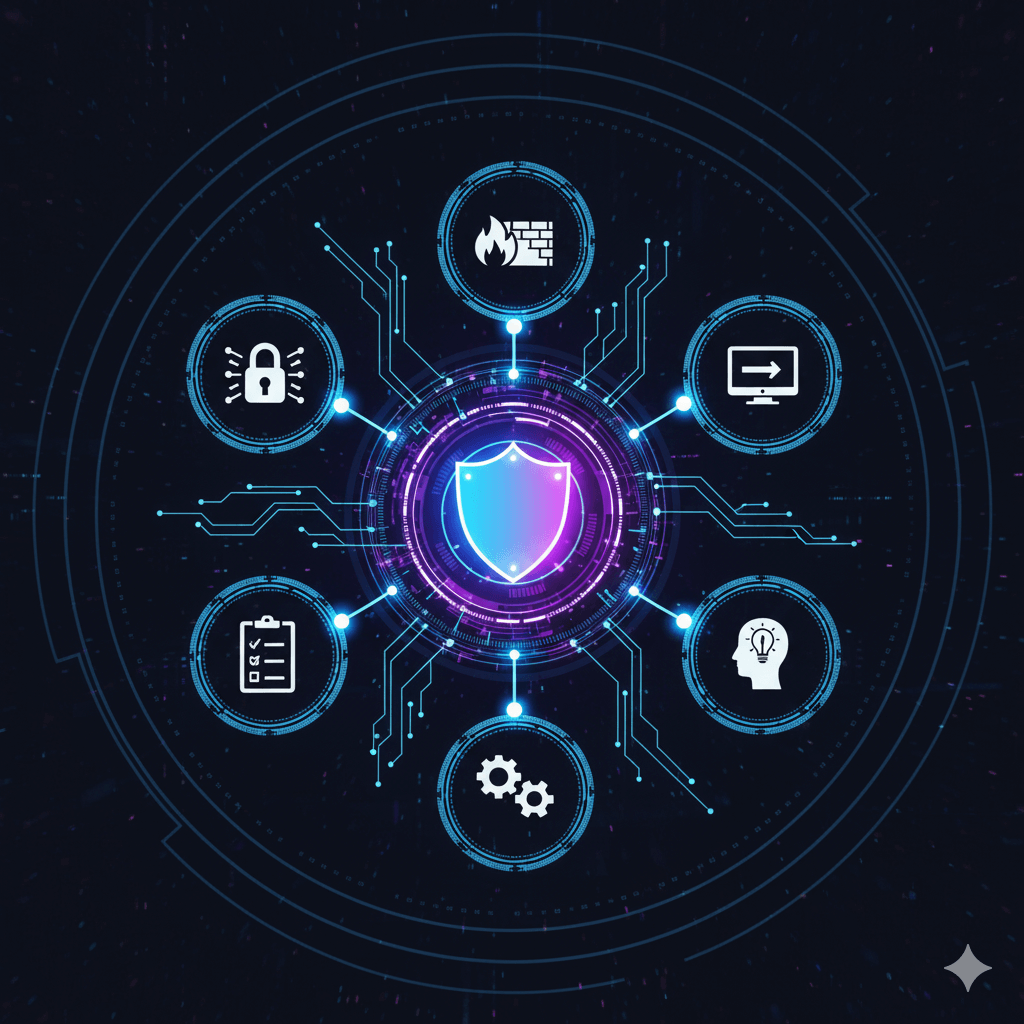
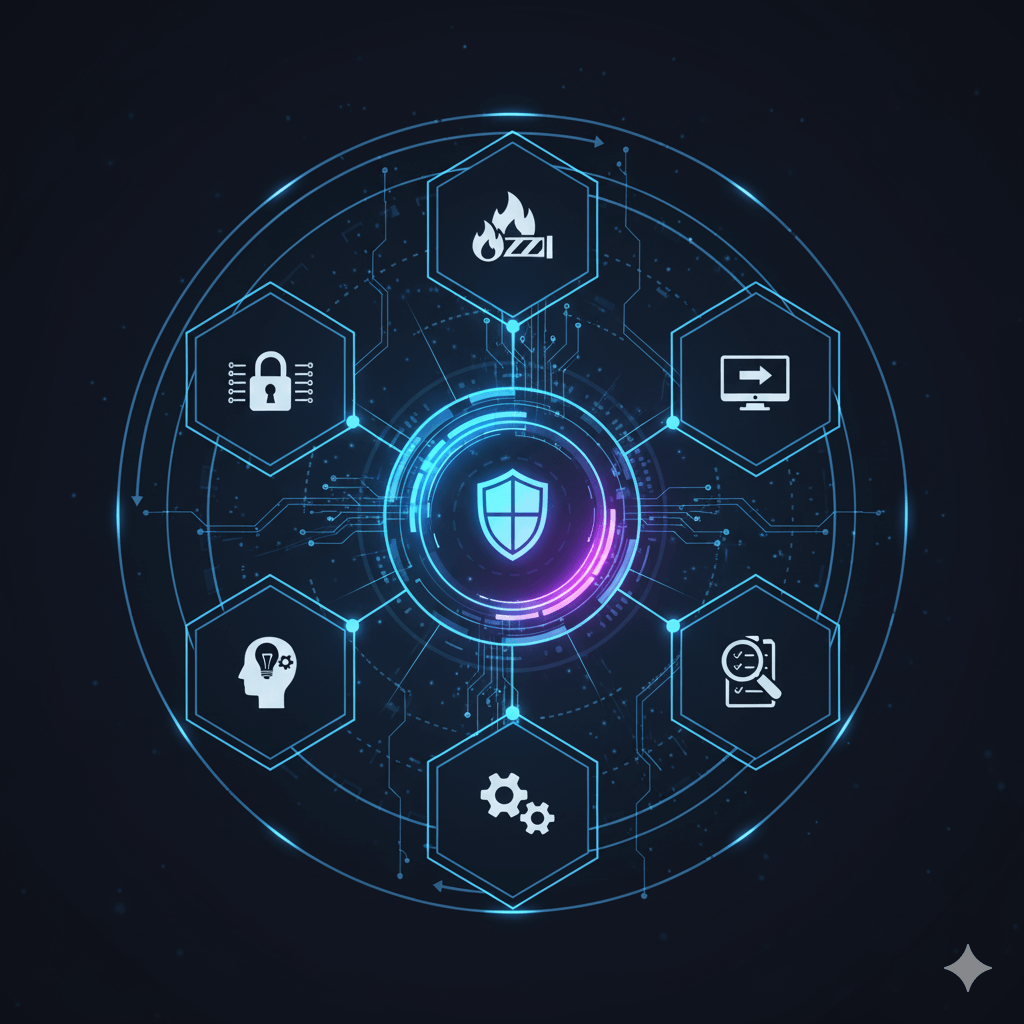
The global shift to remote work has introduced new efficiencies, but also new security challenges. Employees accessing sensitive data outside the traditional corporate perimeter increase the attack surface, making robust security protocols essential. Protecting your business requires more than just a VPN—it demands a strategic approach. Here are five key strategies to secure your remote workforce:
-
1. Enforce Strong Multi-Factor Authentication (MFA)
MFA is the single most effective defense against unauthorized access. Require all employees to use MFA on all corporate accounts and applications, especially those accessing cloud services and VPNs, making it difficult for hackers to use stolen passwords.
-
2. Secure All Endpoints and Devices
Every laptop, tablet, and smartphone used for work is a potential entry point. Implement a comprehensive **Endpoint Detection and Response (EDR)** solution to continuously monitor devices for threats, and enforce strict policies on using personal versus company-issued equipment.
-
3. Implement Zero Trust Network Access (ZTNA)
Instead of trusting users based on their location, Zero Trust means **'never trust, always verify.'** Grant users the bare minimum access they need for their job and continuously verify their identity and device posture, regardless of whether they are on the corporate network or at home.
-
4. Encrypt Sensitive Data in Transit and At Rest
Ensure that all sensitive data is encrypted. Use **VPNs** and **HTTPS** for data in transit, and encrypt hard drives on all remote devices. This prevents data compromise even if a device is lost or stolen, fulfilling a core requirement of data privacy.
-
5. Conduct Regular Remote-Specific Security Training
Phishing and social engineering attacks thrive in decentralized environments. Train employees specifically on remote work risks, such as verifying home network security, identifying suspicious communications, and reporting potential breaches immediately.
🛡️ Securing remote work is an evolving process. By focusing on strong authentication, endpoint protection, and a Zero Trust model, you can maintain strong security posture and enable flexible, productive work.